

THE LATEST #HASHTAGS & INSIGHTS IN THE UK

Platform Limits & Best Practice
When it comes to using hashtags on social media, there’s no one-size-fits-all approach. Understanding the best practices for each platform can help you use hashtags more effectively and increase your chances of reaching the right audience.
Instagram: Use 3 to 5 highly relevant hashtags. Instagram now caps posts and Reels at 5 tags.
X (Twitter): Use 1 to 2 focused tags per post.
TikTok & YouTube: Limit to 3 to 5 niche, descriptive tags.
LinkedIn & Facebook: Stick to 1 to 3 targeted keywords or community topics

Use CamelCase
When hashtags contain multiple words, writing them all in lowercase as one long string can make them difficult to read or even look like complete gibberish.
Using capital letters to separate each word (also known as CamelCase) helps screen readers identify where one word ends and another begins, making your content quicker and easier to digest.
It also makes your posts more accessible. People with dyslexia, low vision or cognitive disabilities can recognise word patterns and boundaries much more easily.
And, of course, it helps avoid those awkward accidental misreadings like the famous, unintended blunder of #susanalbumparty.
I’ll leave that one for you to figure out… 👀
How to Use Hashtags Effectively
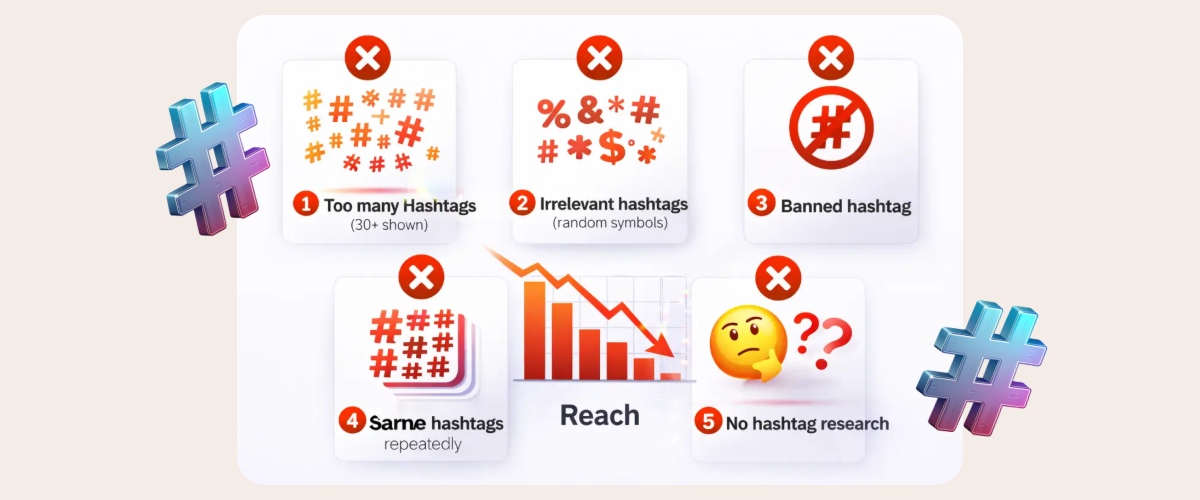
Want your hashtags to actually work for you? Avoid these common pitfalls:
Using too many hashtags that are irrelevant or far too broad.
Failing to check whether a hashtag is still active and being searched for — or whether it’s effectively ‘dead’.
Copying and pasting the same generic list of hashtags onto every post.
The best hashtag strategy is relevant, intentional and tailored to the content you’re sharing. Don’t just add hashtags for the sake of it — think about what your audience might actually be searching for.

Community niche
Think beyond broad hashtags and tap into the communities already engaging with your content. Hashtags such as #BookTok, #FitTok, #FoodTok, #ShopLocal and #SupportSmallBusiness can help position your content within a specific interest, industry or community.
A useful tip for TikTok is to add “Tok” to your niche or topic where relevant, for example, #BeautyTok, #FashionTok, #MarketingTok or #SmallBusinessTok. These types of hashtags can help your content reach people who are already interested in that particular subject.
For businesses, think about where your ideal customer spends time and what communities they identify with, then use hashtags that naturally connect your content to those conversations. The aim isn't to use as many hashtags as possible, but to choose a handful that are relevant, specific and aligned with the audience you want to reach.

Sentiment Analysis
You might be drawn to a trending hashtag because it feels like the perfect fit for your content, but it’s important to understand the conversation happening around it before you get involved.
A hashtag can be popular for reasons that aren’t immediately obvious, and associating your brand with the wrong conversation could have a negative impact on your public perception. Taking a moment to check the sentiment, context and wider conversation around a hashtag can help you make more informed decisions about whether it’s appropriate for your business.
Before jumping on a trending hashtag, ask yourself: Is this conversation something I genuinely want my brand to be associated with?

Blend reach and focus
Mix broad, trending hashtags with more specific, niche hashtags to attract both large and targeted audiences to your content. Beware though, it is important to ONLY use a trending topic if it fits your video or content format. Randomly placed tags confuse the algorithms and won’t reach your viewers as you’d hoped.
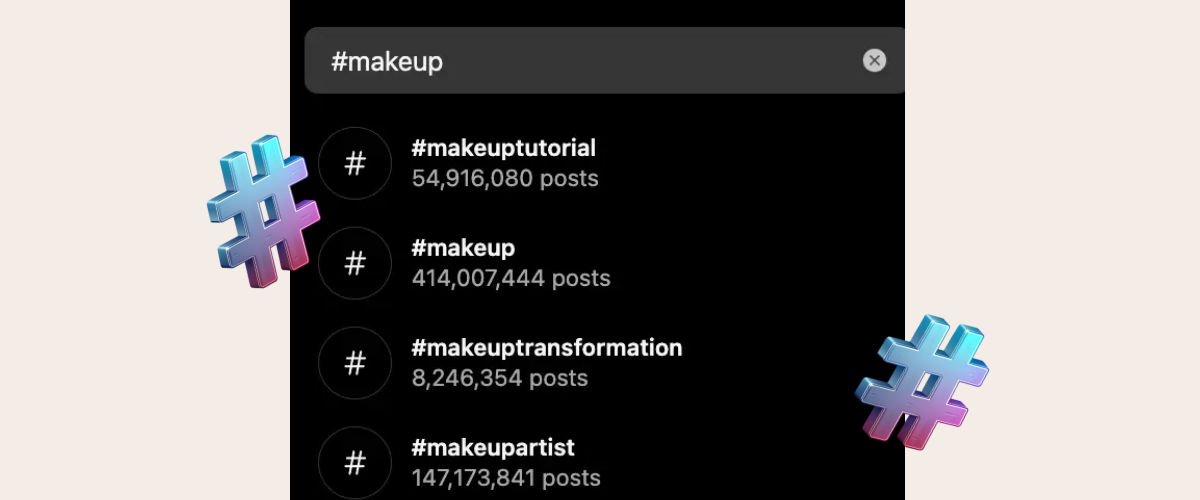
The Power of Trending Hashtags
Trending hashtags can give your content an instant visibility boost by connecting it to conversations people are already having in real time. They help signal what your post is about, increasing the chances of it being discovered by audiences actively searching or engaging with that topic.
Use them strategically, though. If a trending hashtag has little or nothing to do with your content, both users and platforms are likely to ignore it—or worse, it could harm your post's performance. Stick to 1–5 highly relevant hashtags that genuinely support your content, rather than chasing every trend.
Match your hashtags to your SEO
Believe it or not algorithms on social platforms read the captions and listen to the audio you share. So, to optimise your SEO potential you must ensure the hashtags you use align with the exact keywords in your text and content. Don’t be tempted to use a trending hashtag if it doesn’t relate to your content.

Don’t just think niche!
Don't just think niche, think strategic…Yes, relevant hashtags help categorise your content, but, mixing in the occasional trending hashtag can also expand your reach. While broad hashtags like #Trending are incredibly competitive, they can help introduce your content to new audiences when used alongside more targeted hashtags. The trick is to stay relevant rather than simply chasing what's popular.

Strategic Tags!
Elevate your content with a strategic mix of 10-15 broad hashtags to maximise your visibility. Top trending tags often include broad tags like #trending but, also focus on industry specific tags that relate to the content you are sharing, for example if its a post about AI use the hashtag #AI. Try to also include location related tags for optimal engagement.
Winning Hashtags!
Uses your hashtags as targeted discovery signals rather than generic reach shortcuts. To drive engagement, mix 3 to 5 highly relevant niche and brand tags per post, build custom branded campaigns, and adjust your tags based on the unique algorithm of each social media platform.

AI-Assisted Content
We're all aware that AI is becoming ingrained into pretty much every industry, and using it effectively in the workplace can help optimise your workflow. But, when using it to create content, audiences reject generic and obvious machine made posts. Use AI for initial drafts this week,but, only as a starting point. Take the time to proof read and edit with your own personal voice, opinion, and specific examples with relevant hashtags to match.

Understanding your aesthetic
Being clear on your visual style and linking this to your hashtags will sky rocket your chances of coming up in organic searches. For example try #photography, #fashion, #aesthetic, #instastyle, #art, #minimalism. As long as its relevant to your content this is a great hack!

Use Location Tags
For local reach, use tags that relate to your location.
Tags like #londonfashion, #nycstyle, or #belfastfoodie will help you appear in searches and the explore page!
The "What, Who, Why" Strategy (WK 21 - 20.05.26)
This approach uses precisely three specific tags to directly target consumers
What? (the product or service is?)
Who? (it specifically serves?)
Why? (they need it or what problem it solves?)
The idea is that most people decide within seconds whether something is relevant to them. If these three questions are answered instantly through your hashtags, engagement and conversion tend to improve.

How to Use Hashtags Effectively on Social Media (WK 20 - 13.05.26)
Avoid these common pitfalls to make sure you are using hashtags inefficiently:
Rotate and Refresh your hashtags (WK 19 - 06.05.26)
Avoid using the exact same hashtags on every post, as this can appear repetitive or spammy to both users and platform algorithms. Instead, create themed hashtag sets tailored to different content, audiences or campaign goals, and rotate them regularly.
Refreshing your hashtags helps keep your content relevant. It also improves discoverability and allows you to test which combinations drive the best reach and engagement over time.
Create Branded Hashtags (WK 18 - 30.04.26)
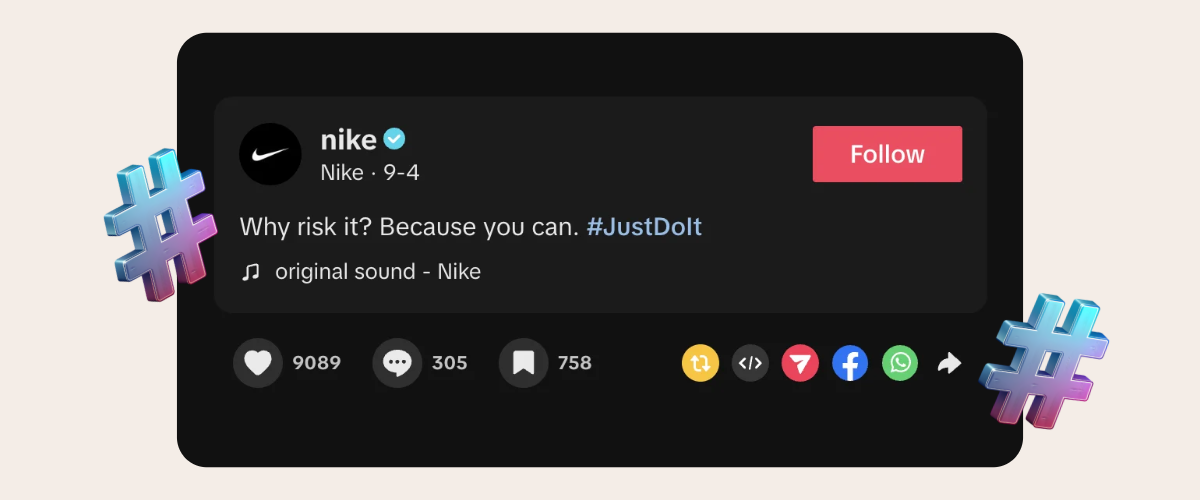
Develop a unique hashtag for your brand, campaigns, or products to build community. Unique hashtags maybe niche to your business, but, they increase brand recognition, and make it much easier to track user generated content.
Niche Overload (WK 17 - 22.04.26)
Avoid overused hashtags that dilute your brand. Instead, use specific tags to attract a more targeted audience. Find the right hashtags for your audience by doing your research. Check out what similar businesses are using, participate in trending tags when they are relevant and study your customers interests online.

Research Trends (WK 16 - 16.04.26)
Today’s trends are tomorrow’s breakthroughs, are you paying attention to whats trending online? Check the Instagram Explore page or use online platforms for real time trending tags!

Platform Specifics (WK 15 - 08.04.26)
The number of hashtags you use can be just as important as the hashtags themselves, and the right amount varies across platforms. Use 1-2 highly relevant tags on LinkedIn & Facebook, but 5-10+ on Instagram & TikTok for maximum discoverability!

Where to Place tags? (WK 14 - 01.04.26)
Where you place your hashtags is almost as important as the tags themselves. Place 10-15 hashtags in the comments on your post rather than in the caption for a cleaner look.

Mix Popular & Niche tags (WK 13 - 25.03.26)
Don't just use popular tags (e.g. #love) pair them with more specific ones too (e.g. #handmadejewelry) to reach a more specific engaged audiences.

Small Business Specific & Industry Hashtags (WK 12 - 18.03.26)
Use these General / Daily tags to boost your content and optimised engagement:
#smallbiz #entrepreneurship #marketingtips #supportsmallbusiness #digitalmarketing #shoplocal

Trending General & Lifestyle Hashtags (WK 11 - 11.03.26)
Use these General / Daily tags in your content to boost your content and optimised engagement:
#trending #viral #photooftheday #fyp #explorepage